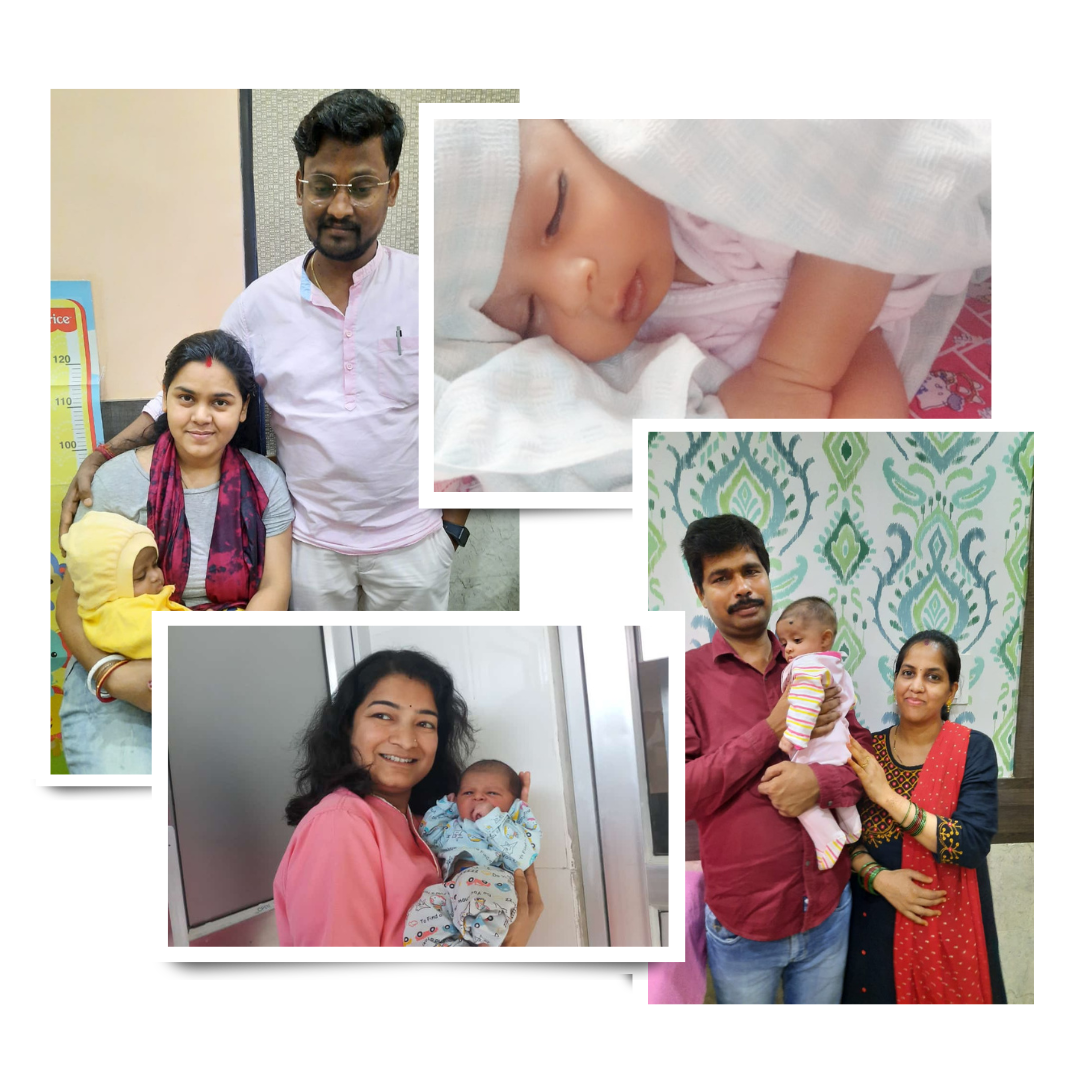
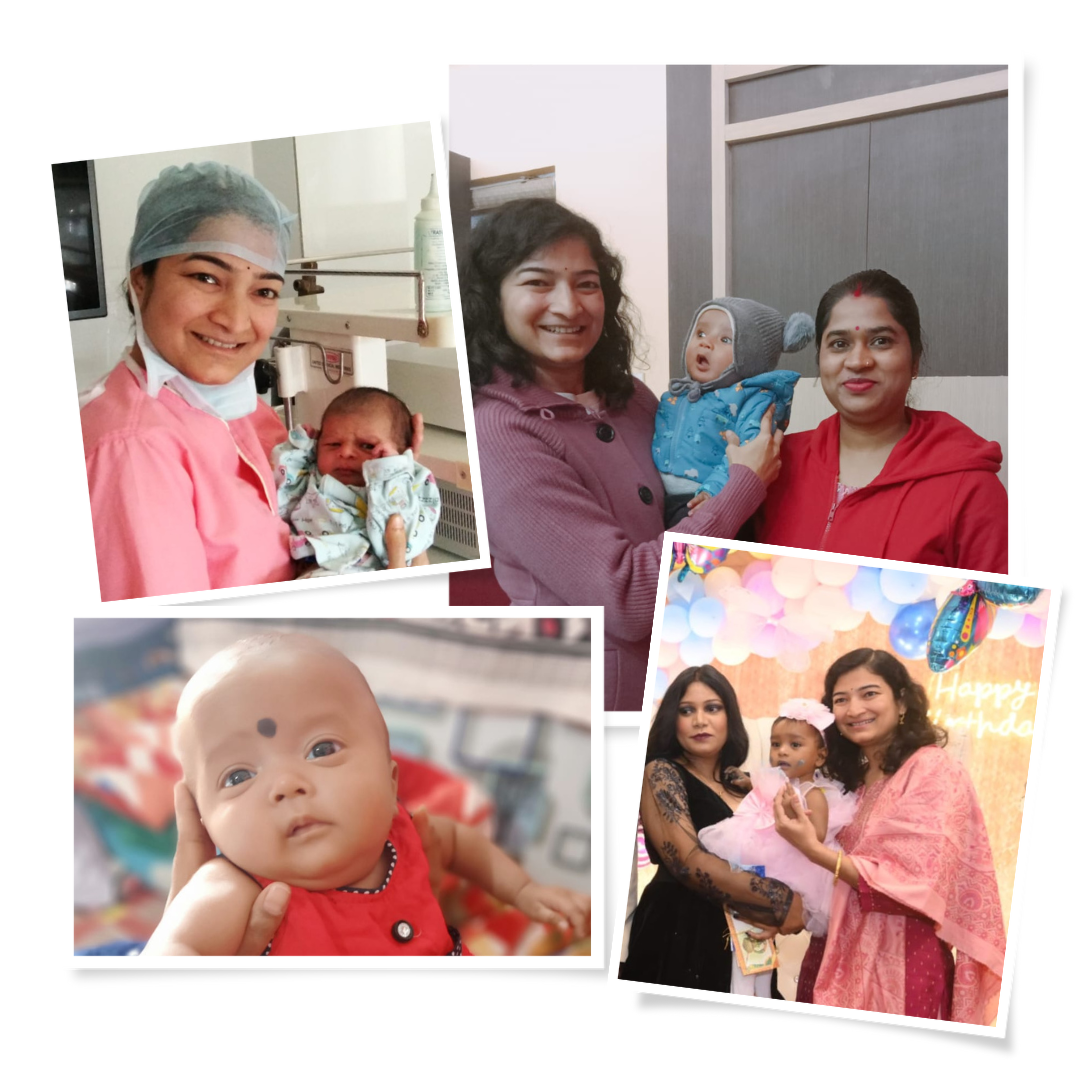
Our mission is to make parenthood dreams come true with the best care and latest technology
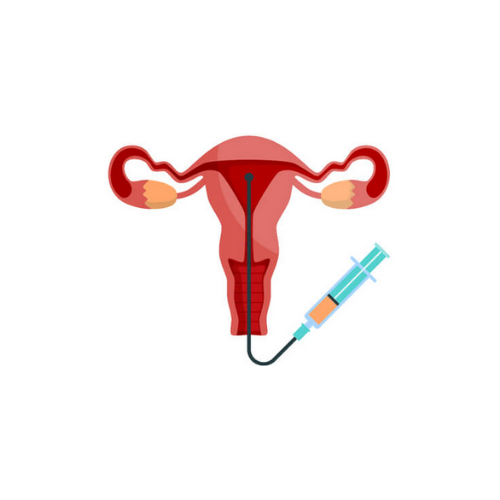
Intrauterine insemination (IUI) is a fertility treatment that involves placing prepared sperm directly into the uterus to increase the chances of pregnancy.
In vitro fertilization (IVF) is a fertility treatment that involves fertilizing an egg with sperm outside of the body. The fertilized egg, or embryo, is then placed in the woman's uterus.
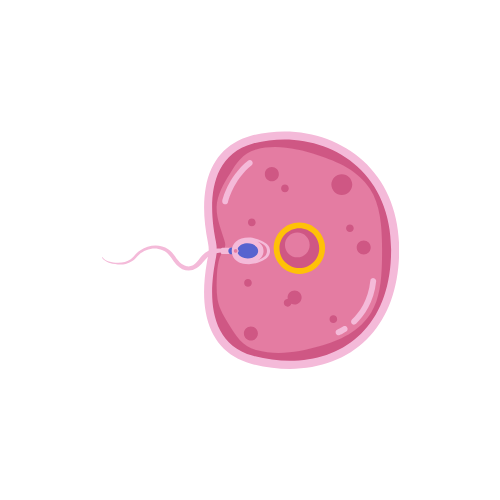
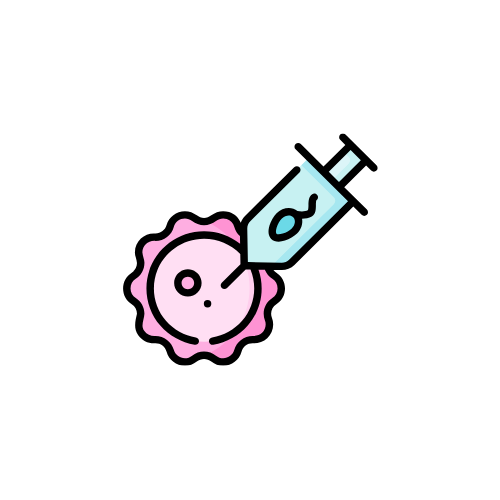
Intracytoplasmic sperm injection (ICSI) is a procedure that involves injecting a single sperm into an egg to help it fertilize. It's a type of in vitro fertilization (IVF).
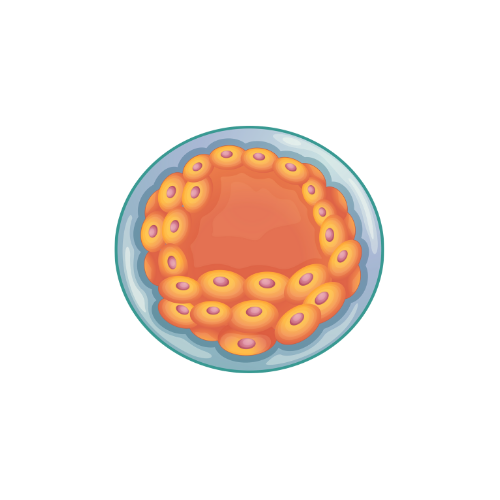
Blastocyst culture is a laboratory process that allows embryos to develop into the blastocyst stage before being transferred into the uterus
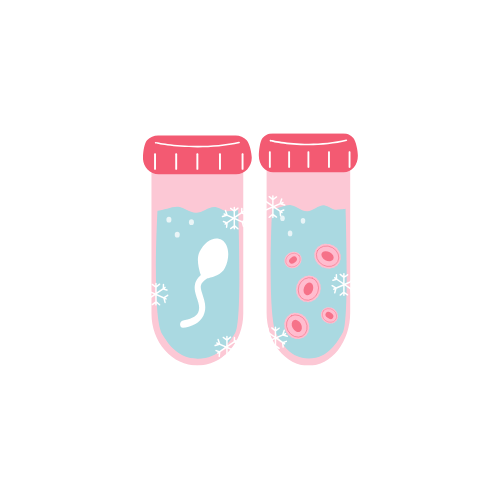
Egg, sperm, and embryo freezing are fertility preservation techniques where eggs, sperm, or fertilized embryos are cryogenically frozen and stored for future use in assisted reproductive treatments.
A regular cycle reflects good reproductive health, but issues like irregular periods, cramps, and PCOS can arise. Proper hygiene, diet, and stress management are essential, with medical advice needed for persistent problems.
Egg, sperm, and embryo donor services provide individuals or couples with donated reproductive materials from screened donors to assist with conception through fertility treatments.
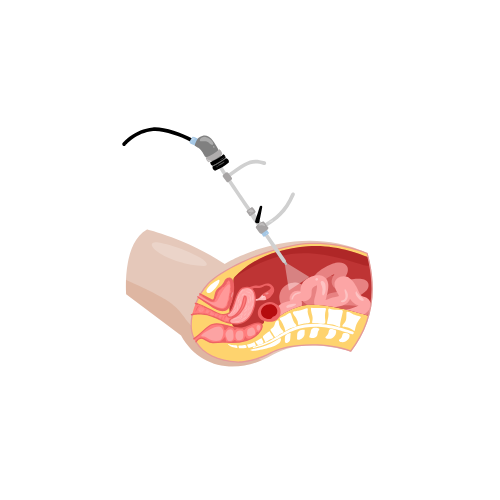
Hysteroscopy is a minimally invasive procedure to examine and treat issues inside the uterus, while laparoscopy is a keyhole surgery used to diagnose and treat conditions in the abdominal and pelvic organs.
A high-risk pregnancy can affect mother and baby due to age, health conditions, or complications. Prenatal care, check-ups, and a healthy lifestyle are key for a safe outcome.
Menopause (45-55) marks the end of reproduction, causing hormonal changes and symptoms like hot flashes and bone loss. A healthy lifestyle, exercise, and medical care, including HRT, can help manage it.
TESA, PESA, and MESA are minimally invasive sperm retrieval techniques used in cases of male infertility, typically for assisted reproductive procedures like IVF or ICSI.
Preconception counseling involves health education, risk assessment, and medical optimization to improve maternal and fetal outcomes before pregnancy.